
Browned Butter Whipped Potatoes
There are mashed potatoes - and then there are these potatoes.
We love a humble dish that knows exactly when to show off. Browned Butter Whipped Potatoes begin with familiar ingredients, but one small technique transforms the whole bowl. Butter is cooked until its milk solids turn deep golden brown, releasing a warm, nutty aroma and layers of toasted, almost caramel-like flavor. Fold that liquid gold into fluffy potatoes, and suddenly the dependable side dish has become the one everybody talks about on the drive home.
Why Browned Butter Changes Everything
Regular melted butter brings richness. Browned butter brings richness with a point of view. As the butter cooks, its water evaporates and the milk solids toast through the Maillard reaction—the same family of reactions responsible for the irresistible flavor of toast and golden pastry. The result is called beurre noisette, or “hazelnut butter,” for its nutty fragrance and chestnut-colored flecks.
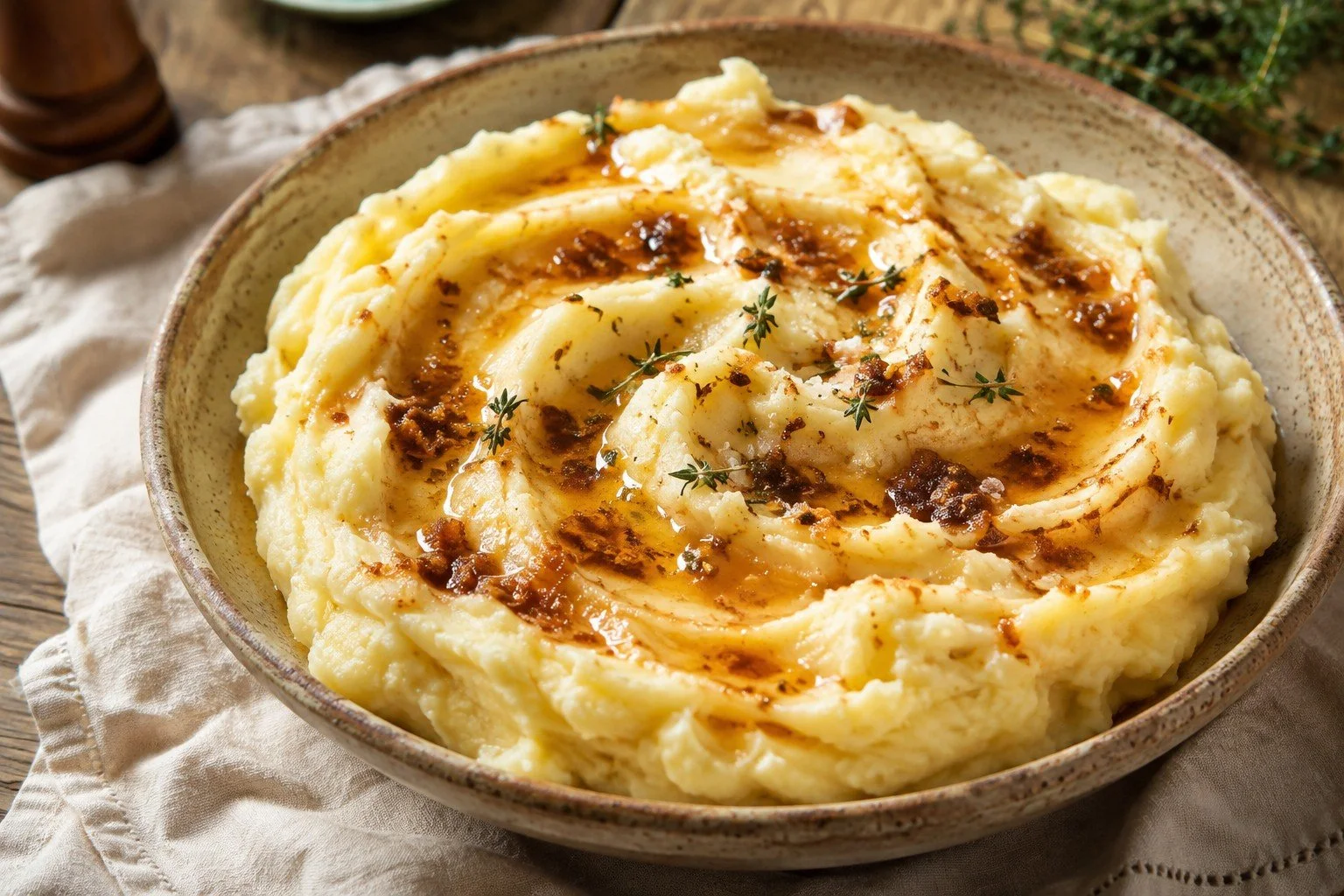
Those flecks are not something to strain away. They are the flavor. We scrape every last one into the potatoes, where they add savory depth without burying the clean, comforting taste we came for. This is what makes the recipe special: it is not loaded with a dozen distractions. The browned butter gets the spotlight it deserves.
The Perfect Browned Butter
Our method follows the dependable visual and sensory cues taught by King Arthur Baking and Serious Eats: choose unsalted butter, use a light-colored pan so the milk solids are easy to see, stir or swirl as it cooks, and move the butter out of the hot pan the moment the solids turn deep golden brown. Both sources emphasize that the butter can move from beautifully toasted to bitter and burned in a hurry, so this is one step where we stay close to the stove.
The Details That Make the Difference
Watch the butter, not the timer. Pan material, burner strength, and butter temperature all change the timing. Color and aroma are the reliable guides.
Do not abandon the browned bits. The toasted milk solids hold the deepest flavor. Scrape them all into the bowl.
Keep everything warm. Hot potatoes and warm dairy blend smoothly; cold dairy cools the potatoes and makes them harder to incorporate.
Choose the right tool. A ricer gives us the silkiest result. A hand mixer works, but aggressive beating is how whipped potatoes turn into paste.
Season in layers. Salt the cooking water, season the dairy, then taste at the end. Four pounds of potatoes can swallow seasoning faster than we expect.
Make-Ahead Notes
These potatoes are at their best right after mixing, but real kitchens need breathing room. We can prepare them up to one day ahead, spread them in a buttered baking dish, cover, and refrigerate. To reheat, cover and warm at 325°F until hot, stirring once or twice and adding a splash of warm milk or cream if needed. A fresh drizzle of browned butter just before serving restores the aroma and makes them taste newly made.
A Little Extra Effort, A Completely Different Dish
We believe the best recipes do not always demand more ingredients; sometimes they ask us to pay closer attention to one. Here, butter gets a few quiet minutes in the pan to become deeper, toastier, and far more interesting. That one step turns a bowl of whipped potatoes from expected to unforgettable.
Serve them beside roasted pork tenderloin, holiday turkey, braised beef, or a simple roast chicken. Just do not expect them to stay in the background. These potatoes may be a side dish by title, but browned butter makes them the main event.
Browned Butter Whipped Potatoes
Serves 8 • Prep: 15 minutes • Cook: 30 minutes
Ingredients
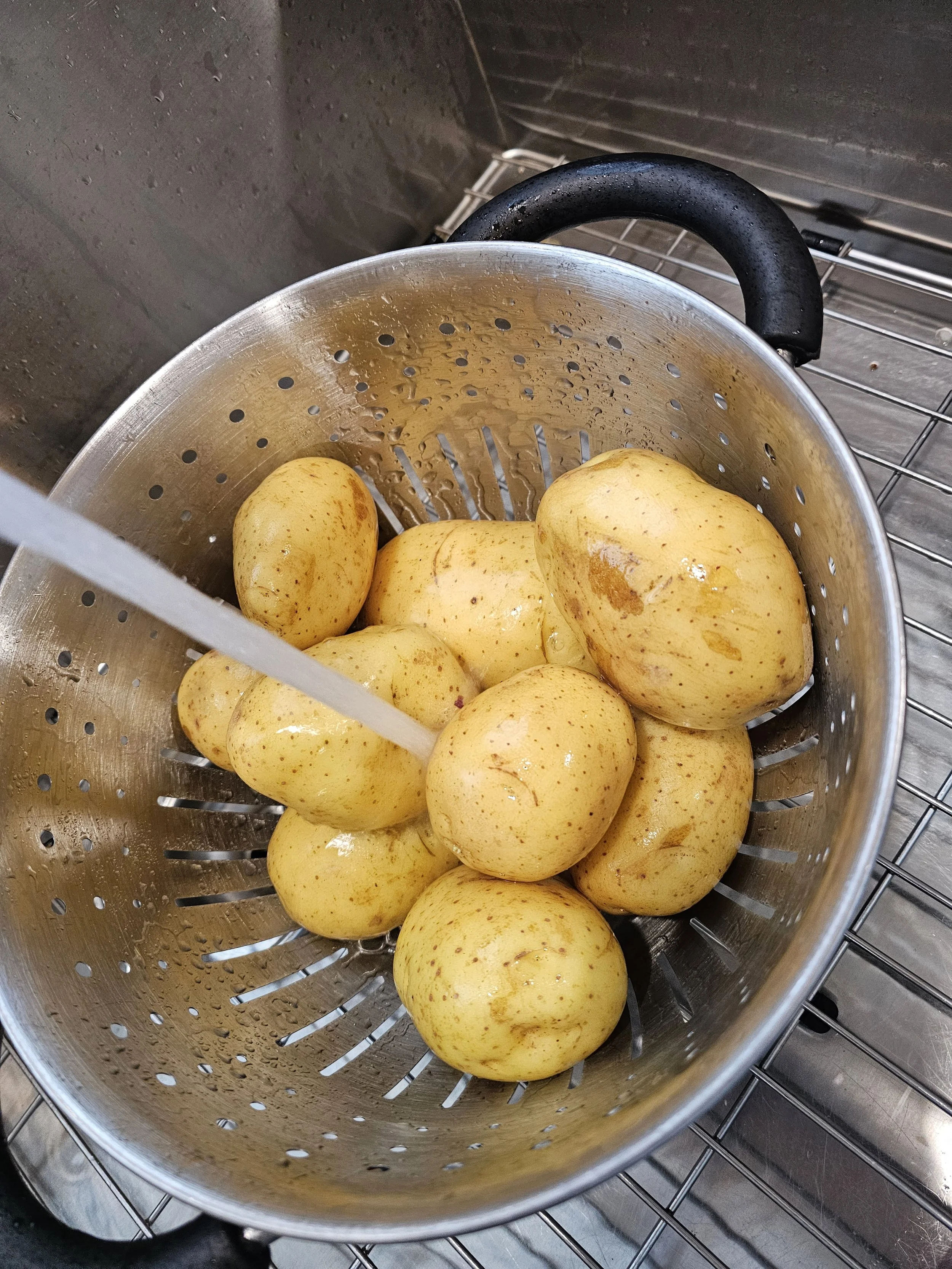
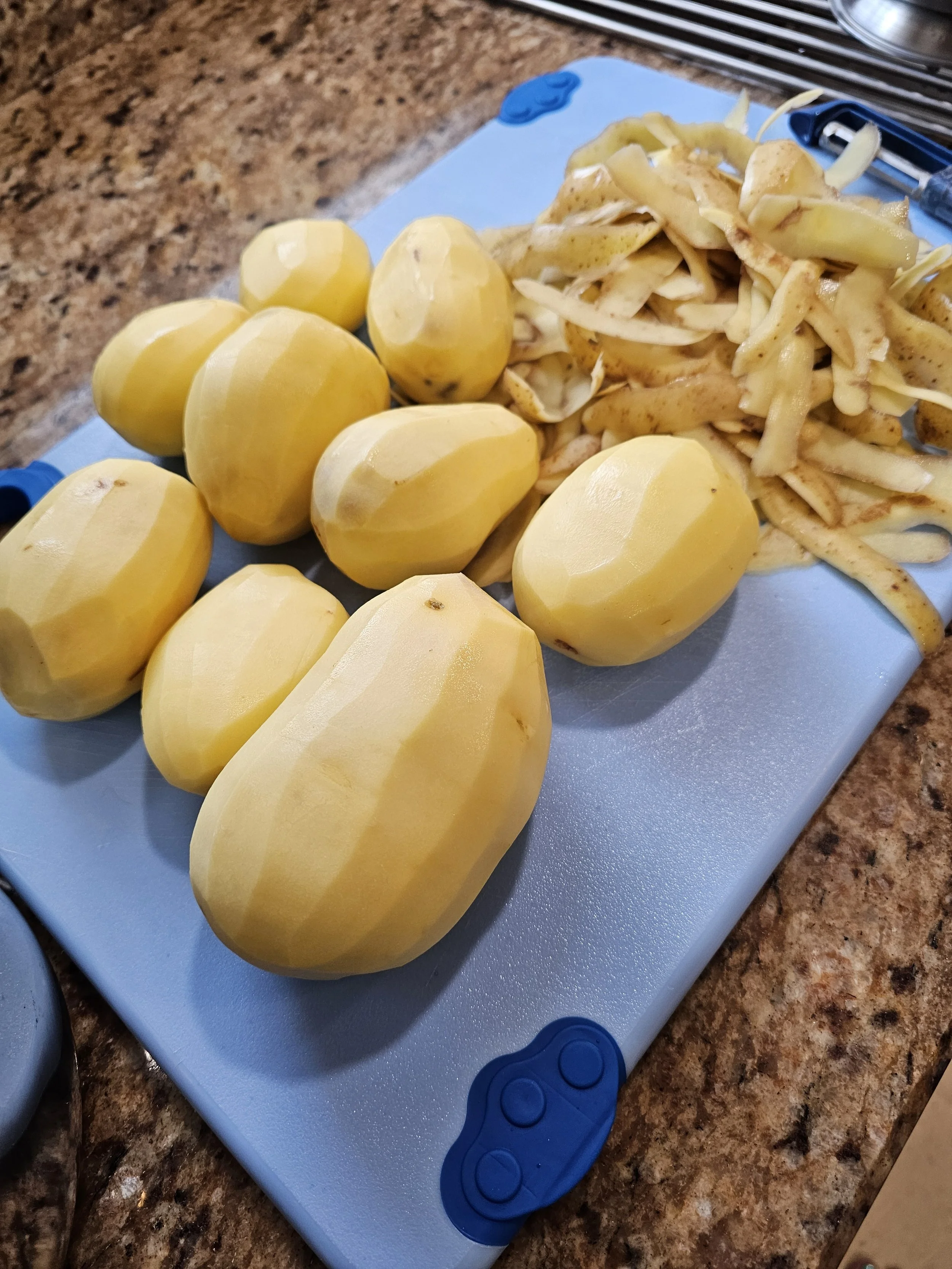
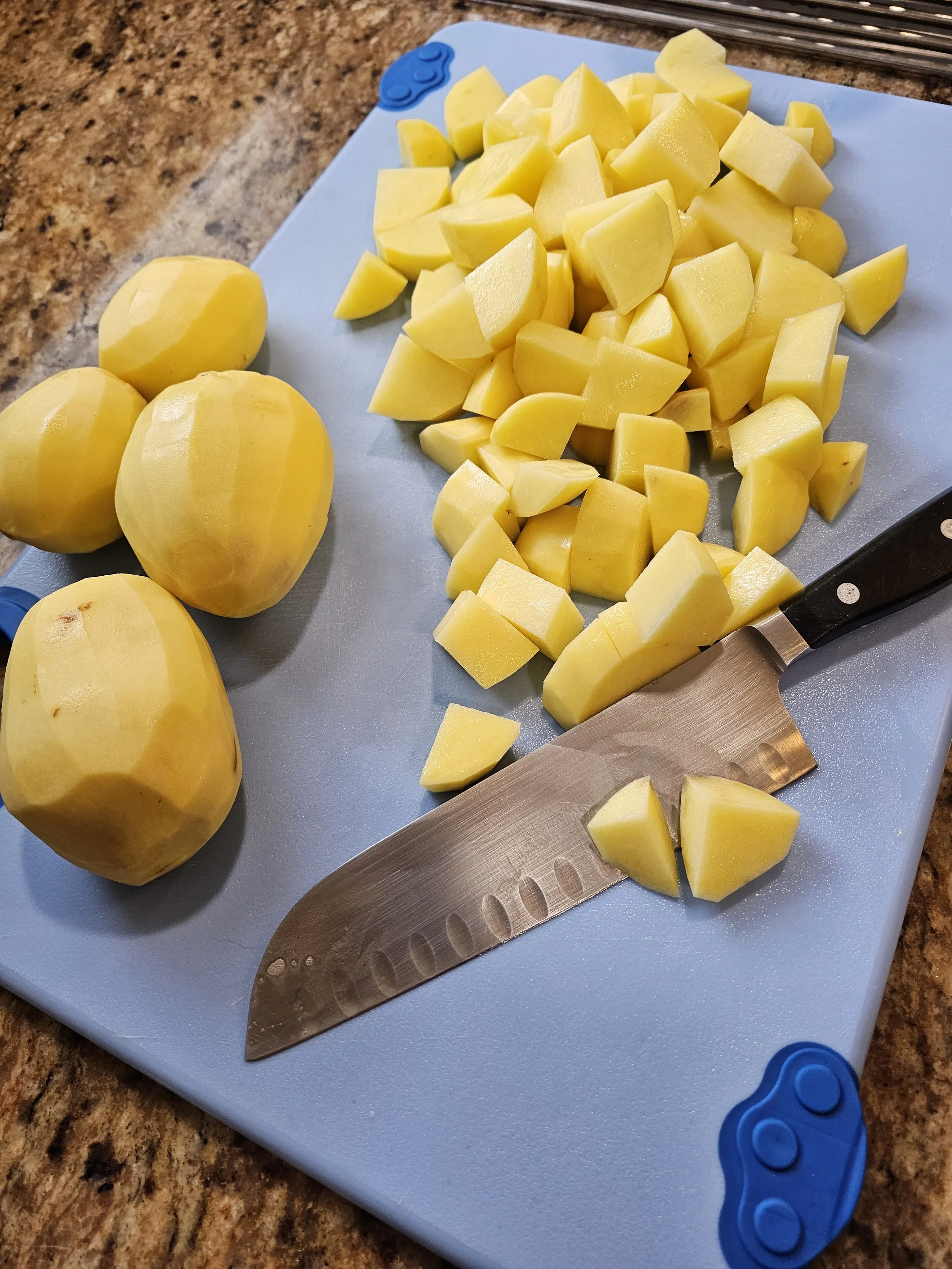
4 pounds Yukon Gold potatoes, peeled and cut into evenly sized 1½-inch chunks
1 cup (2 sticks) unsalted butter, divided
1 cup heavy cream
½ cup whole buttermilk, plus more as needed
2 teaspoons kosher salt, plus more for the cooking water and to taste
½ teaspoon freshly ground black pepper
Optional finish: flaky salt, chopped chives, or a spoonful of reserved browned butter
Method
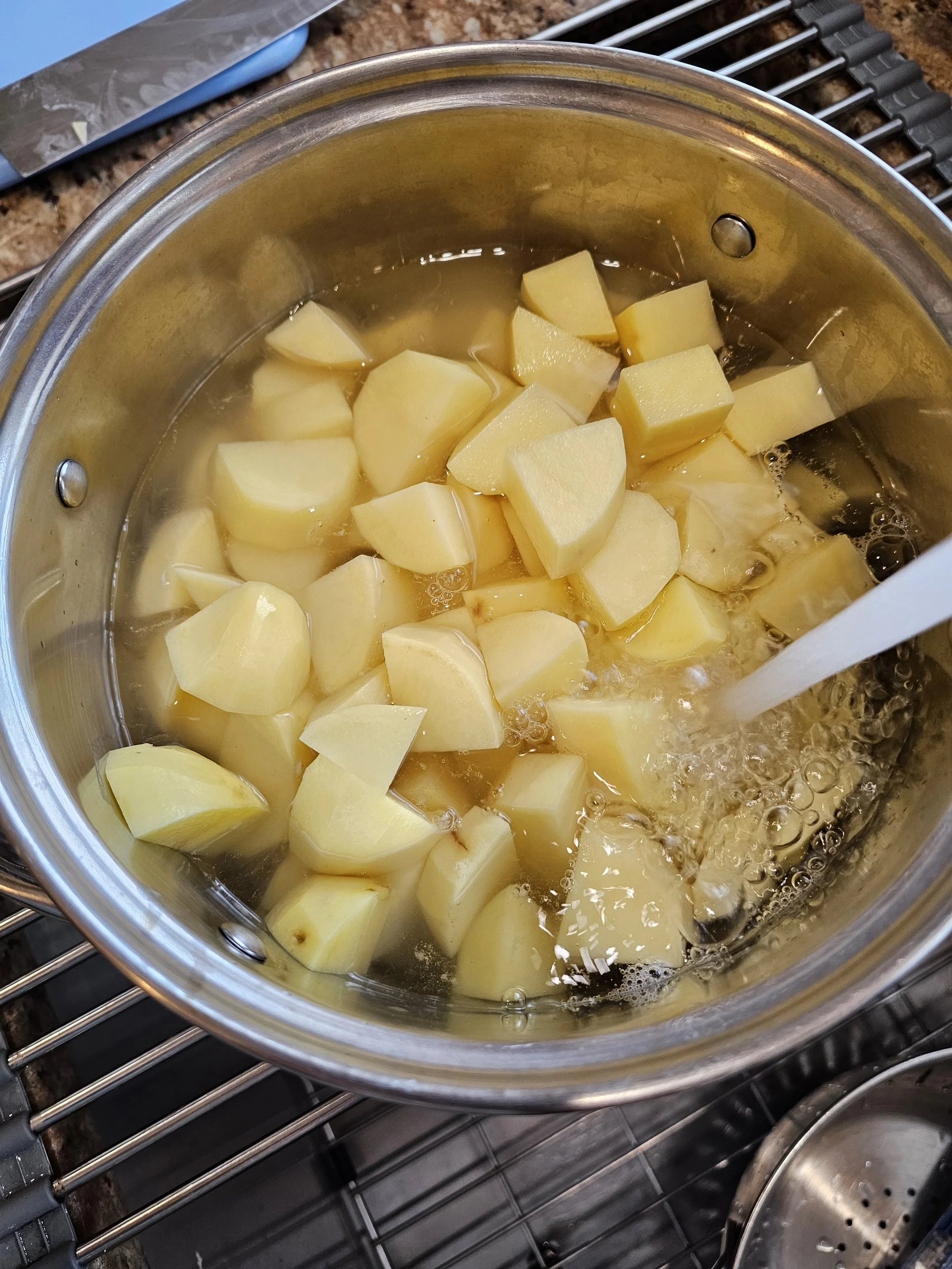
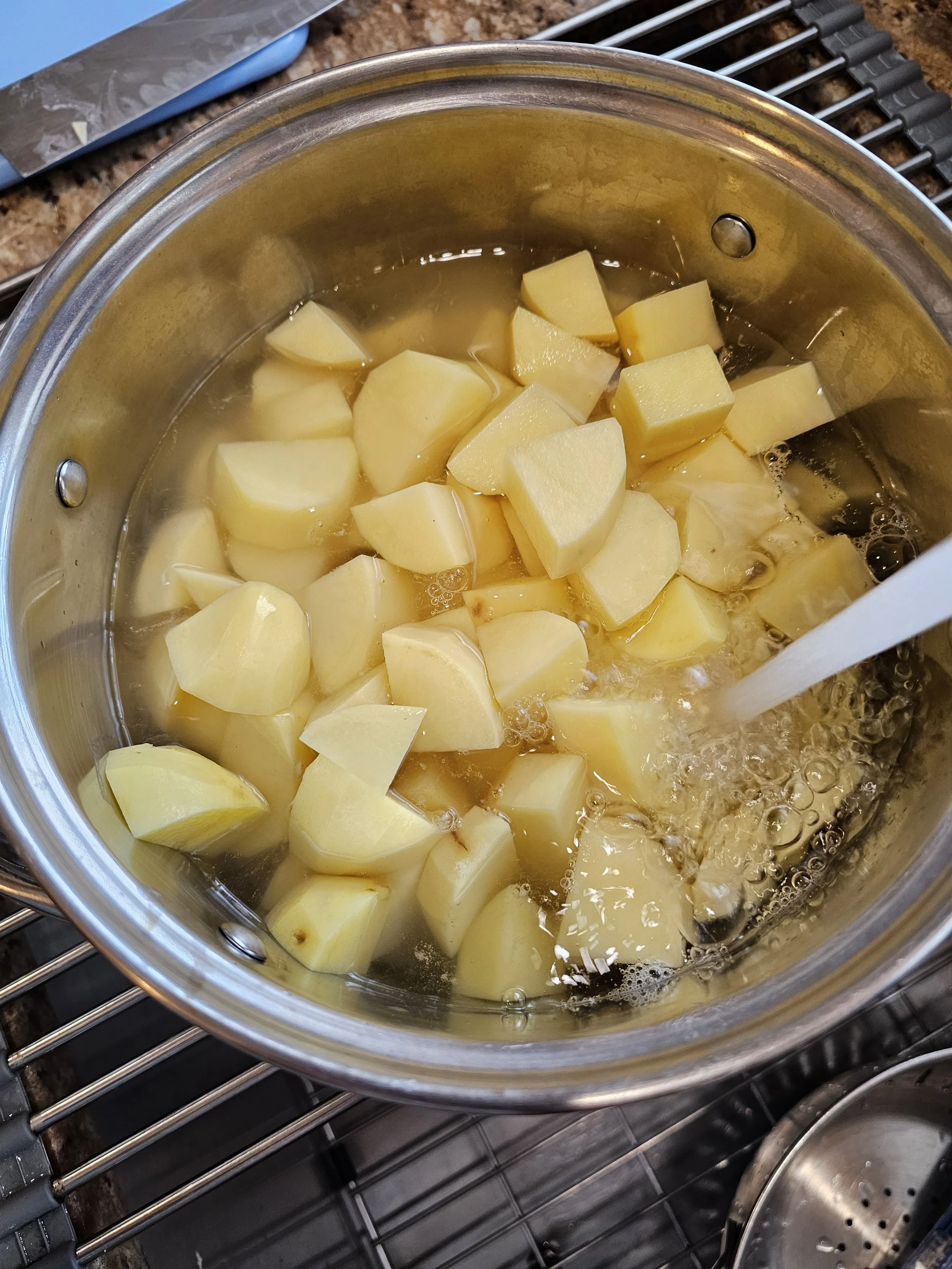
1. Cook the potatoes gently. Place the potatoes in a large pot and cover with cold water by about 1 inch. Salt the water generously. Bring to a boil, then lower to a steady simmer and cook until the potatoes are completely tender and offer no resistance when pierced, about 15 to 20 minutes.
2. Brown the butter. While the potatoes cook, cut 12 tablespoons of the butter into even pieces and place them in a light-colored skillet or saucepan over medium heat. Let the butter melt, then stir or swirl frequently. It will sputter, foam, and begin to smell nutty. When the milk solids at the bottom are deep golden to chestnut brown—never black—immediately pour the butter, browned bits and all, into a heatproof bowl. Reserve 1 to 2 tablespoons for finishing if desired.
3. Warm the dairy. In a small saucepan, gently warm the cream, remaining 4 tablespoons butter, salt, and pepper. Do not boil. Warm dairy absorbs more readily and helps the potatoes stay light.
4. Dry the potatoes. Drain thoroughly, return the potatoes to the warm pot, and set them over low heat for 1 to 2 minutes, tossing gently. This cooks off surface moisture so the finished potatoes taste rich rather than watery.
5. Whip with restraint. Pass the hot potatoes through a ricer or food mill for the smoothest texture. Stir in the warm cream mixture, then fold in the whole buttermilk, and browned butter - every toasted fleck. If using a hand mixer, keep it on low and stop as soon as the potatoes are smooth; overworking potatoes releases excess starch and turns them gluey.
6. Taste and serve. Adjust salt and loosen with a splash of warm milk if needed. Spoon into a warm serving bowl, create a few generous swirls, and drizzle with the reserved browned butter. Finish simply with flaky salt or fresh herbs like thyme or chives.
Sources & Technique References
King Arthur Baking, “How to Make Brown Butter” — explanation of the Maillard reaction; use of unsalted butter and a light-colored pan; visual cues; immediate transfer to stop carryover cooking. https://www.kingarthurbaking.com/blog/2020/01/08/brown-butter
Serious Eats, “How to Brown Butter” — guidance on stirring, identifying golden milk solids and nutty aroma, and transferring immediately to prevent scorching. https://www.seriouseats.com/how-to-make-brown-butter-technique